
Medicine naming in the source
The Chinese source uses the spelling “依苏帕鲁肽α.” The current generic name is “依苏帕格鲁肽α” (efsubaglutide alfa), formerly “苏帕鲁肽” (supaglutide). The Chinese article retains its original spelling; this English translation uses the current generic name.
Original report · translated from Chinese
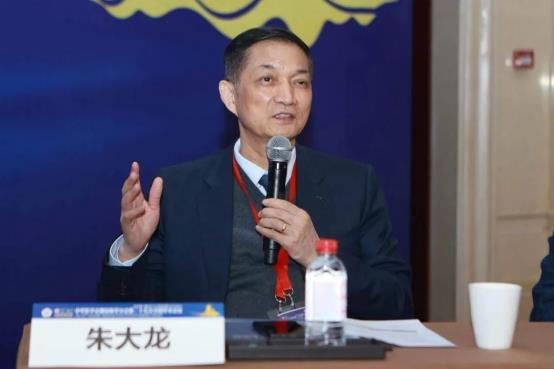

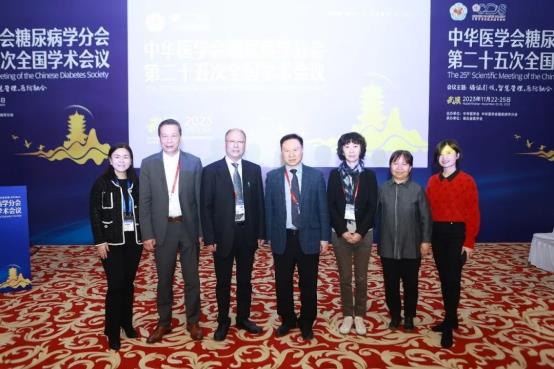
Innogen held a satellite symposium on November 24 during the 25th National Scientific Meeting of the Chinese Diabetes Society (CDS), a branch of the Chinese Medical Association. The symposium reviewed Phase III results for efsubaglutide alfa in people with type 2 diabetes. Professors Dalong Zhu, Xiaoying Li, Qinghua Wang, Jianhua Ma, Xiaolin Dong, Bimin Shi and Yiming Li joined a round-table discussion of the medicine's clinical value and the outlook for GLP-1 receptor agonists (GLP-1RAs). This article presents highlights of their discussion.
Multiple benefits of GLP-1RAs and recognition in clinical guidelines
Professor Dalong Zhu: GLP-1RAs now have an important role in comprehensive diabetes management and are consistently recommended by major Chinese and international guidelines. For example, the American Diabetes Association's 2023 Standards of Care in Diabetes [1] identifies GLP-1RAs as a preferred option when glucose-lowering medicines are needed and as a glucose-lowering choice with weight-loss potential. In addition to their strong glucose-lowering effect, they offer certain cardiovascular and renal benefits, which has strengthened their position in first-line treatment. The same 2023 Standards recommend a GLP-1RA or sodium-glucose cotransporter-2 inhibitor (SGLT-2i) for people with type 2 diabetes and atherosclerotic cardiovascular disease, such as myocardial infarction or stroke, or chronic kidney disease, to lower glucose and reduce overall cardiovascular risk. In general, this class of human long-acting GLP-1RAs has substantial clinical value and therapeutic potential.
Translating molecular design into clinical value: efsubaglutide alfa's potential to address treatment needs
Professor Qinghua Wang: Efsubaglutide alfa is produced using genetically engineered recombinant-protein technology. A natural immunoglobulin hinge joins GLP-1 to the human IgG2 Fc segment, forming a dimeric fusion protein. First, the hinge design increases GLP-1's affinity for and binding to its receptor, helping improve overall efficacy. Second, because the kidneys are an important route of peptide-drug clearance, the IgG2 Fc design increases molecular weight, slows clearance and extends the half-life to 204 hours. Among the four human IgG subclasses, IgG1–IgG4, IgG2 has the lowest immunogenicity, contributing to favourable safety and tolerability. This distinctive structure helped efsubaglutide alfa achieve encouraging results in the two Phase III studies reported at the meeting. Its automatic injection pen is convenient, requires no dose titration and completes the injection in a single step. This ease of administration reflects Innogen's patient-centred development approach and substantially improves adherence. Given the large unmet needs in diabetes and metabolic disease in China, this original Chinese medicine could provide a valuable, high-quality and convenient new option.
Rapid, substantial glucose lowering and favourable safety: prospects for clinical use
Professor Jianhua Ma: Two aspects of efsubaglutide alfa stood out during the clinical studies. The first was the magnitude and speed of glucose lowering. Published results showed a 2.2-percentage-point reduction in HbA1c from baseline after 24 weeks of 3 mg monotherapy, significantly greater than placebo (P<0.001) and close to five times the placebo reduction of 0.47 percentage points. Added to metformin, efsubaglutide alfa reduced HbA1c by 1.8 percentage points at week 24. In both studies, HbA1c had fallen by about 1 percentage point after four weeks, whether used alone or with metformin. At a time when early intensive glucose control is emphasised, these findings provide an important clinical reference. The second aspect was favourable safety: treatment-related adverse events were generally of low severity, and hypoglycaemia was very uncommon. From my perspective as a clinical investigator, I see broad potential for the medicine to benefit more people with diabetes.
Weight and metabolic effects in the context of guideline goals
Professor Xiaolin Dong: Beyond glucose lowering, efsubaglutide alfa showed several other benefits. Studies found improvements in glucose tolerance, meal-stimulated insulin and C-peptide secretion, and beta-cell function. Weight results were also encouraging: among participants enrolled at our centre, the mean weight reduction in the 3 mg group exceeded 5%. The latest ADA/EASD consensus recommends individualised treatment according to patient characteristics and comorbidities. It distinguishes people with type 2 diabetes and high cardiovascular or renal risk, for whom reducing cardiorenal events is a priority, from those whose priority is achieving and maintaining glycaemic and weight goals. Efsubaglutide alfa performed well against the latter goals.
Safety, fat reduction and muscle preservation: observations relevant to people with diabetes seeking weight loss
Professor Bimin Shi: The studies reported no grade 2 or higher hypoglycaemia and no pancreatitis with efsubaglutide alfa, either alone or with metformin. As with other long-acting GLP-1RAs, the more frequent adverse events were gastrointestinal, including nausea, vomiting and diarrhoea. They mainly occurred in the first two weeks of treatment and resolved favourably. Our centre enrolled eight participants older than 60, none of whom experienced hypoglycaemia. Their mean baseline weight was 78.34 kg and their week-24 mean was 72.48 kg; the reported mean weight reduction was 5.87 kg. These observations suggested weight benefit in older people. Because older patients may already lose muscle through atrophy and other causes, weight loss can raise concerns about further muscle loss. Preclinical research found that efsubaglutide alfa significantly reduced body weight, white fat and visceral fat in mice while maintaining brown fat and muscle mass [2]. The combination of glucose control and fat reduction without muscle loss is encouraging for older people and the wider diabetes population.
Exploring GLP-1 medicines for NASH
Professor Yiming Li: In addition to improving liver-fat accumulation through weight loss, several studies have reported that GLP-1 binding to receptors on liver cells can reduce hepatic steatosis. Non-alcoholic steatohepatitis (NASH) has therefore become a further development focus for GLP-1 medicines. Efsubaglutide alfa has received US FDA permission for a NASH clinical trial, and I look forward to more clinical evidence on reducing liver fat, potentially offering another treatment option for people with metabolic disease.
The clinical potential of GLP-1RAs and more options from Chinese innovation
Professor Xiaoying Li: The latest ADA/EASD consensus calls for treatment strategies that consider glucose lowering, weight loss, cardiovascular and renal risk factors, and medicines with cardiovascular and renal protection. This has strengthened the role of GLP-1RAs. The class offers benefits beyond glucose regulation, including improvements in fatty liver and weight, and renal, hepatic and cardiovascular protection. Future GLP-1 medicines could have multiple clinical indications. For example, when selecting glucose-lowering treatment for a person with diabetes who is overweight or has obesity, the treatment's effect on weight should be considered, with preference for medicines that also support weight loss. I welcome the progress of original Chinese GLP-1RAs, including the clinical data for the human, ultra-long-acting efsubaglutide alfa, and believe domestic innovation will give Chinese patients more options.
About Innogen
Innogen is a science-driven biopharmaceutical company committed to providing innovative, accessible, affordable and high-quality medicines for people with metabolic diseases. Its pipeline addresses diabetes, obesity, non-alcoholic steatohepatitis and other indications. The company describes all programs as independently developed, with global patents, and plans to establish research, development and commercial operations internationally.